Paul Ludwig · 9 October 2026
Vocational Programs Merge Classic Console Pixel Art with Animation Skills for Emerging Career Opportunities
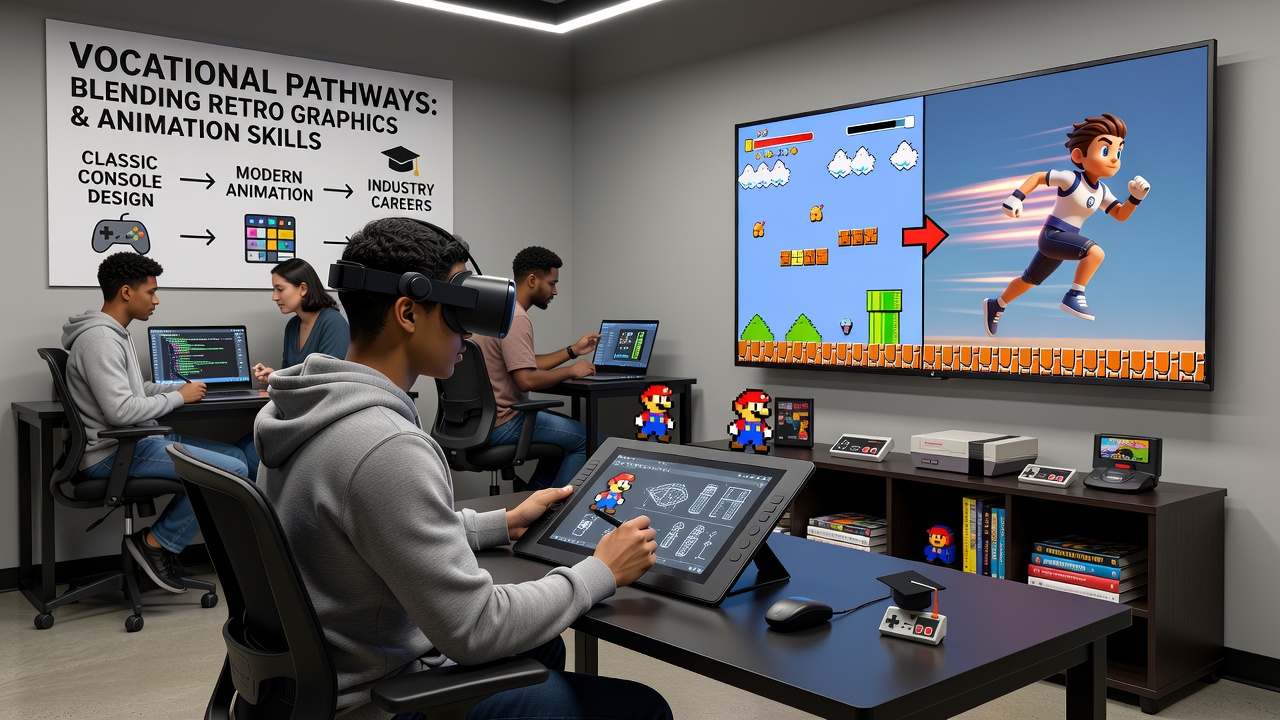
Vocational programs across multiple regions now incorporate techniques from 1980s and 1990s console graphics into structured animation curricula, creating pathways that connect retro pixel-based methods with contemporary digital workflows. Institutions design these courses to cover sprite creation, limited color palettes, and frame-by-frame animation principles drawn from systems such as the Nintendo Entertainment System and Sega Genesis, while students simultaneously learn vector-based tools and 3D modeling software used in current production pipelines. Research from the OECD indicates that such blended approaches improve technical versatility among participants, with completion rates rising in programs that sequence retro constraints before introducing modern rendering options.
Core Curriculum Components in Blended Programs
Training modules begin with foundational exercises in tile-based graphics and hardware limitations that defined classic consoles, then progress to applying those same principles within animation timelines and timing charts. Students examine how reduced resolutions influenced character design and movement loops, after which instructors introduce software that simulates those constraints before transitioning to unrestricted digital environments. Data from vocational tracking systems show that participants who master these sequential steps demonstrate stronger problem-solving skills when adapting assets across platforms, including mobile games and educational simulations. Programs often allocate dedicated lab time for hardware emulation, allowing learners to test outputs on original devices and compare results against contemporary display standards.
Case studies from North American technical colleges reveal that combining pixel art drills with traditional animation principles leads to portfolio pieces that appeal to both indie development studios and larger animation houses. One documented cohort completed projects that recreated regional folklore characters using 16-bit color restrictions, then expanded those designs into full motion sequences using industry-standard rigging tools. Observers note that this progression builds a portfolio range valued by employers seeking candidates who understand both legacy optimization techniques and current asset pipelines.
Industry Demand and Career Pathways
Employment statistics compiled by the U.S. Bureau of Labor Statistics project sustained growth in roles that require familiarity with efficient graphic production methods, including positions in game development and digital media production. Vocational graduates who complete blended programs frequently enter roles such as 2D asset artists, technical animators, and educational content creators where retro-inspired aesthetics remain popular in niche markets. The Entertainment Software Association reports that independent game releases continue to utilize pixel art styles for commercial titles, creating entry points for individuals trained in both historical techniques and modern animation software.
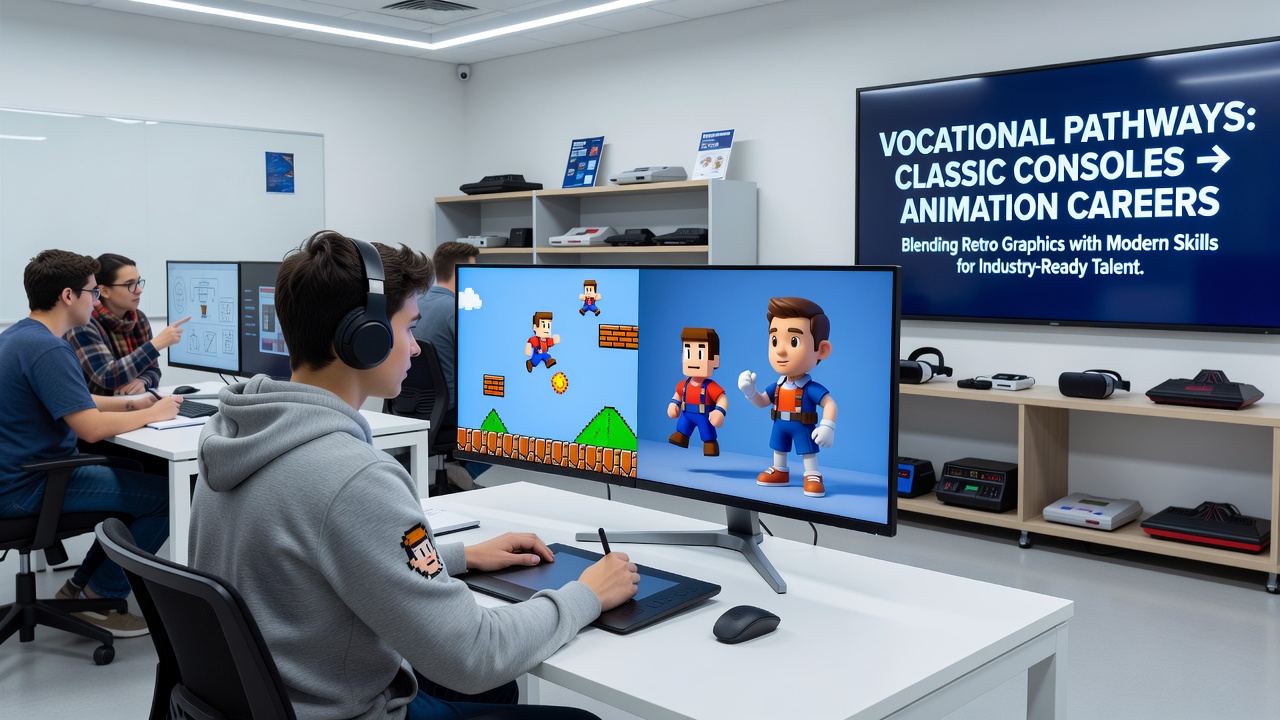
European vocational networks have expanded similar offerings, with several centers scheduling curriculum updates for October 2026 that emphasize cross-platform asset creation. These updates include partnerships with regional game incubators, where students apply console-derived animation methods to prototypes intended for distribution on contemporary handheld systems. Figures from EU education agencies indicate that participants in these expanded tracks show higher placement rates in creative industries compared with single-focus animation tracks.
Assessment Methods and Skill Verification
Programs verify competency through project-based evaluations that require students to produce assets compatible with both emulated hardware and current game engines. Instructors assess timing accuracy, color economy, and motion fluidity using rubrics derived from professional production standards. External reviewers from industry organizations sometimes participate in final reviews, providing feedback aligned with hiring criteria used at animation and game studios. Those who complete these evaluations often receive certifications recognized by multiple employers, facilitating transitions into contract work or full-time positions.
Conclusion
Vocational programs that integrate classic console graphics training with broader animation instruction continue to align educational outcomes with documented industry requirements. Evidence from labor market analyses and institutional reports supports the effectiveness of these blended approaches in preparing individuals for diverse roles in digital media production. As curricula evolve through 2026 and beyond, the connection between historical graphic techniques and current professional practices remains a measurable component of career preparation in the field.