Zoe Keller · 11 September 2026
Pixel Art Projects Led by Students Breathe New Life into Eastern European Regional Myths
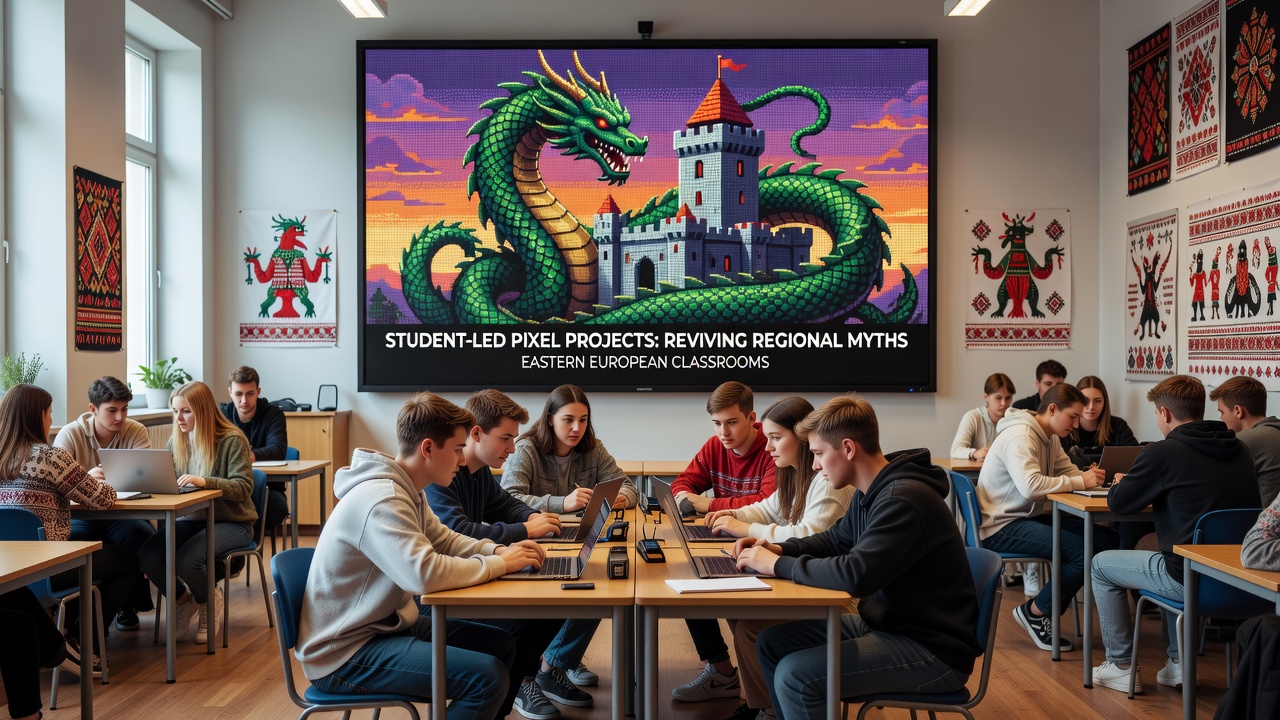
Eastern European classrooms have seen a surge in student-led pixel art initiatives that draw directly from regional myths, folklore, and oral traditions, with programs expanding across Poland, Romania, Hungary, and Bulgaria since the early 2020s. These projects integrate digital tools with cultural preservation efforts, allowing students to recreate figures such as the Romanian strigoi, Hungarian táltos shamans, and Polish leshy spirits in 8-bit and 16-bit styles while meeting curriculum requirements in history, art, and digital literacy.
Project Structures Across the Region
Schools in multiple countries coordinate these efforts through partnerships with local cultural centers and universities, where students first collect stories from family members and community elders before translating them into pixel-based sequences. In Romania, for instance, classes in Transylvania have documented over 200 regional variants of the balaur dragon myth in the past three years, converting oral accounts into animated sprite sheets that run on school computers. Similar work in Hungary focuses on the world tree motif from Finno-Ugric legends, with students building tile sets that represent different layers of the cosmos described in 19th-century ethnographic records.
Data collected by the European Commission's education monitoring reports show that participation in such digital heritage projects grew by 47 percent between 2022 and 2025, particularly in secondary schools where computer science classes now allocate time for cultural content. Teachers report that the pixel format forces students to simplify complex mythological scenes into limited color palettes, which in turn encourages deeper analysis of narrative elements before the digital rendering stage begins.
Integration with School Curricula
Pixel projects typically span six to eight weeks and combine language arts, history, and technology periods. Students begin by transcribing myth variants in their original languages or dialects, then storyboard key scenes using traditional drawing methods. Only after this phase do they move to pixel art software, where they must decide which details to retain within strict resolution constraints. In Bulgaria, one ongoing initiative has students rendering the figure of the samodiva forest spirit across different historical periods, using color shifts to indicate seasonal changes described in regional songs.
September 2026 marks the scheduled rollout of an expanded cross-border exchange component, with classrooms in Poland and Romania sharing sprite libraries based on overlapping Slavic and Dacian motifs. Organizers expect several hundred students to participate in joint critique sessions conducted online, allowing direct comparison of how the same mythological themes appear in neighboring traditions.
Technical Approaches and Tools
Most projects rely on open-source pixel editors that run on standard school hardware, keeping costs low while meeting accessibility standards. Students learn to create parallax scrolling backgrounds that depict mythical landscapes, such as the underwater realms associated with the Polish water nymphs or the celestial ladders found in Hungarian tales. Frame-by-frame animation techniques help illustrate transformations common in Eastern European folklore, including shape-shifting characters that move between human and animal forms.
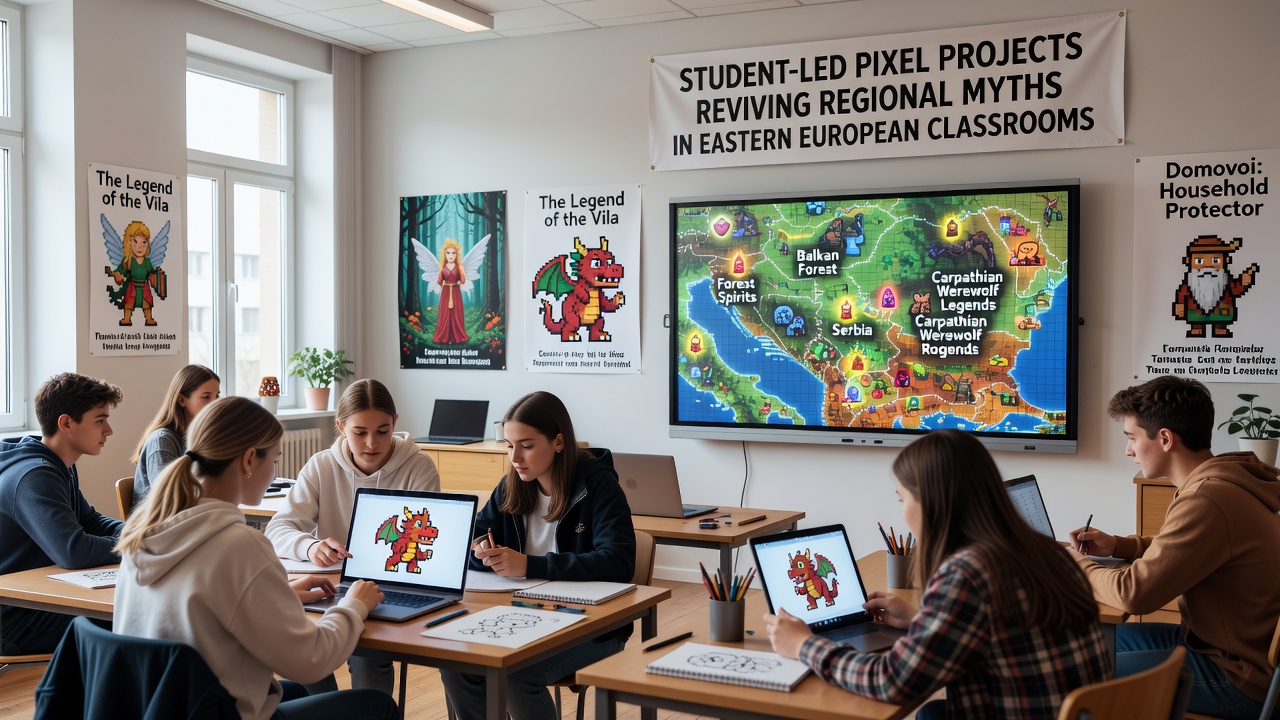
Researchers from the University of Warsaw's digital humanities department have tracked how these constraints improve students' understanding of symbolic representation, noting that the limited pixel grid requires careful choices about which attributes of a mythological figure receive emphasis. One study published in the Journal of Cultural Heritage Research examined 150 student works from 2024 and found consistent attention to color symbolism drawn from historical sources rather than modern interpretations.
Community and Archival Outcomes
Completed pixel sequences often enter local archives or museum education programs, where they serve as entry points for younger audiences. In Hungary, several county libraries now host permanent displays of student-created animations alongside original folk artifacts. These archives receive regular updates as new cohorts of students contribute versions based on recently recorded oral histories from their own families.
UNESCO's intangible cultural heritage listings for Eastern Europe provide context for many of the myths selected by students, with project coordinators cross-referencing official inventories to ensure accurate representation. External observers note that the student-driven selection process frequently surfaces lesser-known variants that do not appear in published collections, thereby expanding the documented range of regional narratives.
Conclusion
Student-led pixel art work in Eastern European classrooms continues to expand the ways regional myths reach new generations, linking digital skills development with direct engagement in cultural materials. As programs prepare for the September 2026 exchanges and further cross-border collaboration, the approach demonstrates how limited technical formats can support detailed exploration of complex traditional stories while producing reusable educational resources for schools and cultural institutions across the region.